
Lesson 2d
Energy management strategies
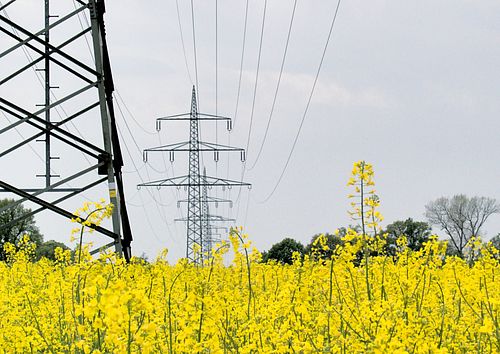
Main users of energy in our societies are the transport sector, the building sector and food production. Several countries have in addition some energy intensive industries. Our first question is how much energy do we really need for these purposes? This is the issue of energy sufficiency. At present energy use is close to 100 times the metabolic energy (everyday food for one person), even if it varies quite much between countries, sectors, and individuals. Even if energy is necessary, it may be used more efficiently. Energy efficiency is as well a key task in energy management.
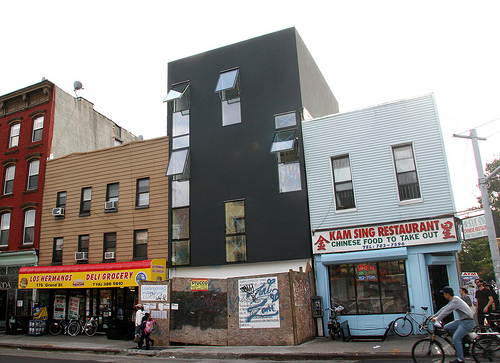
The building sector has been very successful in reducing energy needs. The most efficient houses today are the passive houses. These use much less energy (15-25%) for heating and sometimes even have their own supplies of electricity and hot water. Passive houses have efficient insulation, heat exchanger for ventilation, and use heat from persons and machinery. Even if passive houses are not common, low energy houses start to be so. These are slightly more expensive to build, but much less expensive to use. Also, retrofitting of present buildings is possible and profitable. As an example, energy use in the building sector in Sweden could, according to the sector, be reduced by 20% with profitable investments. This figure is probably large also in other countries in the region.
The food sector has several shortcomings which lead to energy wasting. Food waste is large (some 20-30% of edible food) in many places. This can be reduced by simple means, such as better planned shopping, proper storage and taking care of leftovers. This refers both to producers, retailers, and households/restaurants. Different food has very different carbon footprints. Meat production is by far the most energy consuming, while vegetables and potatoes are much less so. But the trend in our societies is that meat consumption is increasing; 80% of the crops on our farmland are used for animal feed. Denmark has five times more pigs than people. Less meat consumption is an important step to reduce energy needs.
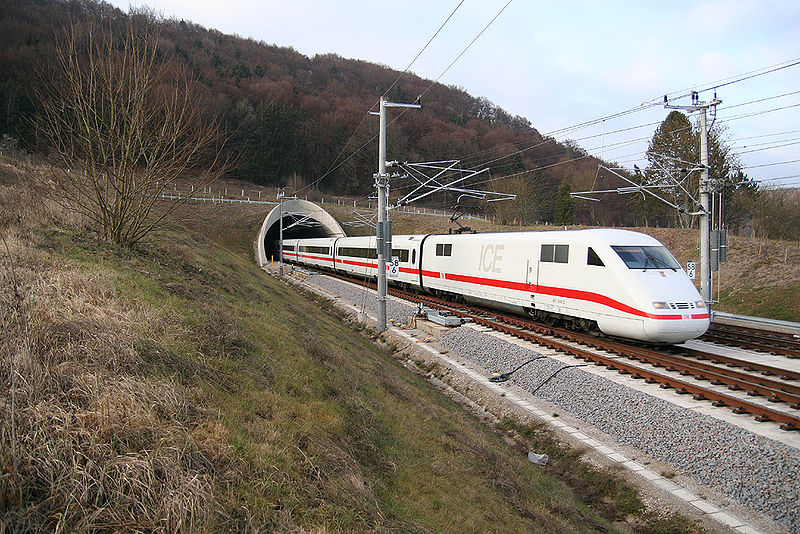
The transport sector is by far the most difficult to improve. It is also the only sector where energy consumption is increasing and fossil fuels dominate. The first concern is to reduce travelling. For example, many meetings may be replaced by video conferencing. Secondly, improving public transport is a main concern, especially in cities, to reduce the role of the private car. Here we also see an important technical development. New biofuels, such as biogas, biodiesel, and bioethanol are introduced. But in the longer term electricity should be introduced since the electric motor is at least 4 times better than the combustion engine for mechanical work; train and tram is even better since rail requires less energy than tyres. Of course, the value of such changes depends on how electricity is produced. Finally, air traffic increases much; at present the environmental impacts of air traffic, including emissions, are not paid by the sector and there is a need for economic reforms. In the end, lifestyle changes are needed. We simply have to travel differently and less.
There are many ways to deal with energy management. A general rule is that demand management is better than supply management. Thus, much work is done today to reduce energy use in the consumption phase. Low energy light bulbs, especially LED lighting, are 5 to 10 times more efficient than conventional bulbs. As lighting uses about 28% of electricity in an average household, a fivefold reduction is important. It is also important that machinery such as freezers, washing machines etc is energy efficient. Standby should be avoided, and simple rules, like not lighting garages and toilets when nobody is there, contribute much. In the EU, new directives supporting these changes are introduced.
On the supply side, the main task is to move from fossil to renewable energy. As already has been described (See Session 2a) this is ongoing in all countries. At present, Sweden has the highest share of renewable energy in the EU, about 49%, followed by Finland and Latvia. The main reasons are good supply of hydropower and much increased use of biomass.
In the industry sector, there are many good examples of energy efficiency programs, although much is left to be done. The pulp and paper industry, which is a high energy user, use the cellulosic fibres for producing paper while the lignin in the wood is turned into black liquor, a highly alkaline dark “soup” with a very high energy content. It is used for energy purposes in some factories, e.g. turned into biodiesel, but this could be much improved. The cement industry is using much energy and also emits carbon dioxide from the process itself (heating calcium carbonate). Building in wood, including multi-store houses and some other constructions, is now improving very much and some traditional uses of cement should be possible to replace. Such a change includes several energy efficiency steps from transport to the building site, the construction itself and maintenance of the building.
Proper waste management saves much energy. Thus, it costs about 6 times less energy to produce steel from scrap iron compared to virgin ore, a figure that is 30 times for copper and 50 times for aluminium. Recycling paper saves energy as cutting trees is reduced and the production itself saves energy. Household waste incineration (waste to energy step) may provide about 5% of energy in a country.
In general, both industries and households are reluctant to invest in energy improvements, even if the investments are profitable and money is saved in only a few years. Policies for supporting such investments are thus important. These include taxation on energy as well as subsidies for investments, or loans on good conditions. Several management systems are available for energy improvements. These include Environmental Management Systems, EMS, such as ISO 14001, but since December 2011 a certifiable international standard for energy management has been released, the ISO 50001.
Materials for session 2d
Basic level
- Basics of Energy Management
- Read Environmental Management, book 2, chapter 6, pages 104-112: Energy Conservation.
- What Is a Passive House? (YouTube film).
Medium level (widening)
- Read Passive and Low Energy Houses, Passive House Development in Sweden and the world.
- Learn about energy efficient driving, green fuels and electric cars.
- Reduce Food Wastage – Save Energy and Save Money
- Electric cars take off in Norway (YouTube film)
Advanced level (deepening)
- The Swedish Energy Authority programme for Energy investments and efficiency in industry
- Learn about Energy Performance Contracting (building sector).
- Get to know the ISO 50001 certifiable energy management standard
- Study energy performance in the pulp and paper industry (pdf). In: Cleaner Production – Technologies and Tools for Resource Efficient Production.
- Study energy performance in the cement industry (pdf). In: Cleaner Production – Technologies and Tools for Resource Efficient Production.
- Climate Change – Viewpoints from the Pulp and Paper Industry (YouTube film)
References
Nilsson, L., Persson, P. O., Rydén, L., Darozhka, S. and A. Zaliauskiene. 2007. Cleaner Production – Technologies and Tools for Resource Efficient Production Environmental Management Book 2, Baltic University Press, Uppsala.
Rydberg, T. and Haden A. 2005. Energy quality and net energy – how we value different kinds of energy.
Stern, N. 2007. The Economics of Climate Change: The Stern Review. Cambridge University Press.
EU Climate Position Paper.